
Open an imaging center in this order: lease a real site with no shared space, choose the supervising physician, buy insurance of at least $300,000 per location, install equipment, file the CMS-855B, start accreditation and mammography clocks, then pass the site visit. The effective date is the later of filing or the first service date.
An imaging center can sign a lease, buy a scanner and hire staff in the wrong order and then discover that nothing can be billed. The sequence below follows the dependencies in the federal rules for a fixed-location IDTF. State rules add to it and are separate.
Which things must exist before you apply?
The Medicare standards in 42 CFR 410.33(g) assume a real site. The facility needs a physical location (not a PO box, mailbox or hotel), equipment at the site, a business phone listed in the local directory, handwashing and privacy features, and room to store records on site. So the lease and the build-out come first, and the lease should not be a sublease or shared space with another Medicare-enrolled party. See the lease and equipment post.
Who is the supervising physician?
Pick the supervising physician before the application. That physician can supervise no more than three IDTF sites at general supervision level and must show proficiency in each test type. A choice made late has to be reported, and an unreported change is a revocation ground.
When does insurance start?
Before billing. Comprehensive liability insurance of at least $300,000 per location is a certification standard, and a lapse revokes retroactively. Put the policy start date ahead of the first service date.
How does the enrollment fit in?
The CMS-855B, with the CPT code attachment, the physicians and technologists, and the EFT form, is the center of the project. Because the IDTF is a moderate-risk category, a site visit is part of enrollment. The effective date is the later of the filing date of an approvable signed application or the date services started at the location (410.33(i)), so starting services before an approvable application is filed gives you nothing back. An application fee or a hardship exception request goes with it; see that post.
Where do accreditation and mammography fit?
MRI, CT, nuclear medicine and PET need accreditation before the technical component is payable, which means starting the testing package early; see the phantom window. Mammography needs the FDA certificate, and a new site takes the provisional certificate route described in how MQSA certification works.
The documents to have in hand
Before filing the enrollment, collect a standard set. It saves rework later, because the same facts appear in several forms.
- The lease, showing the site, the term and that no space is shared with another Medicare-enrolled party.
- The certificate of insurance and the policy declarations for the location.
- The equipment catalog with serial numbers and the installation and calibration records.
- Credential files for the supervising physician, the interpreting physicians and the technologists, with licenses or certifications.
- The list of every CPT code to be furnished, the attachment to the CMS-855B.
- Ownership and control information for everyone with a financial, ownership or control interest.
- The EFT form (CMS-588) and the bank details for payment.
The 30 and 90 day clocks begin on day one
Once the application is filed, changes begin to matter immediately. A change in ownership, location, supervising physician or adverse legal action is reported within 30 days, and other changes within 90. A common beginner's error is to finish the application, hire a different supervising physician two weeks later and forget to report it. Put the reporting dates into the calendar the day you file; the compliance calendar post shows the rest.
The site visit
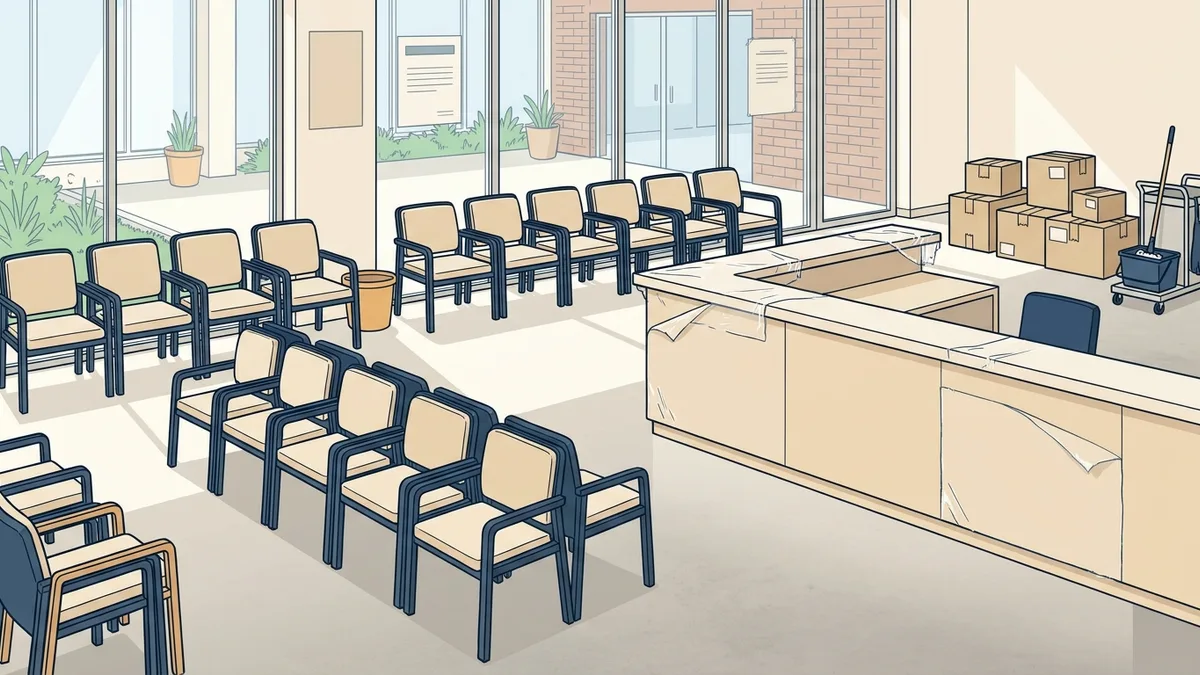
Medicare treats IDTFs as moderate risk, so an on-site visit is part of the screening. Plan for the visitor to see the standards posted, the hours posted, the equipment in place, the records storage and a working business phone. A center that is still half built when the visitor arrives has taken an avoidable risk. Staff the front desk so someone can answer questions and find documents.
Services you do not enroll for
The center must enroll for every test it furnishes. If you plan to add a test later, add it to the enrollment first, not afterward. A new test with no matching enrollment is a gap in your own record, even if the equipment is the same.
State requirements are separate
State X-ray registration, state facility licenses and certificate of need requirements vary and can take longer than the federal steps. They sit outside the federal steps and often decide the real opening date. Start them in parallel, and treat the state with the longest lead time as the controlling clock for the lease and the equipment order.
What a first-year owner should keep in view
The first twelve months of a new center set habits. Revalidation is five years away, but the supervising physician reporting, the insurance renewal and the annual mammography inspection (if applicable) are not. Build the tracker in the opening month, when there are few rows and the details are fresh.
A sample timeline, stated as a plan and not a promise
We do not publish a processing time for Medicare, because none has been verified, so a calendar should be built from the dates you control. A hypothetical plan might read as follows. In the first month, sign the lease, choose the supervising physician and bind insurance. In the second month, order the equipment, hire and credential staff, and collect the documents for the application. In the third month, install and calibrate equipment, record serial numbers and file the CMS-855B along with the application fee or hardship request. At the same time, request the accreditation application and, for mammography, apply to an accreditation body. From then on, the contractor's questions and the site visit set the pace, and the owner's job is to answer fast.
Hiring in the right order
Credentialed technical staff must be on duty, and the standards require that the credentials be on file. Hire the supervising physician and the lead technologist first, because they shape the equipment choice and the protocols. The front desk comes next, since someone must answer the business phone and retrieve records. Contract the medical physicist before the first scan, not after.
Orders and referrals
An IDTF performs tests on a written order from the treating physician with a diagnosis, and the supervising physician may not order unless actually the treating physician. The front desk needs a process that refuses a patient without an order and does not add procedures by internal protocol. Build the order checklist before opening day, and train the staff on it.
No patient solicitation
The standards bar direct solicitation of patients by phone, computer or in person, and the center may accept only physician-referred patients. A launch plan that depends on public outreach needs a lawyer's review, and we do not assist with it. A better plan introduces the center to referring physicians' offices, with the credentials, the equipment and the turnaround.
Complaint log and posted standards
Two small items are easy to forget. The center needs a written clinical complaint log, and it must post the standards publicly. Put the log in a binder on day one, and hang the standards in the waiting area, where a visitor can see them. They cost nothing and show an inspector that the center knows the rules.
After opening
The first 90 days after opening are when staff turn over, equipment issues appear and the first reports of changes fall due. Hold a short compliance meeting each month, with the calendar open, and record what changed. The habit costs half an hour a month.
Is there a sensible sequence to follow?
- Lease and build-out with no shared space.
- Supervising physician, staff credentials and insurance.
- Equipment installed and calibrated, serial numbers recorded.
- CMS-855B filed, accreditation and mammography clocks started.
- Site visit, then billing for the services that are enrolled and accredited.
White Glove Radiology prepares the IDTF Medicare Enrollment Application ($1,495 per site) and Accreditation Readiness ($1,995 per site); see pricing. The owner signs, submits and pays every government and accreditor fee.
Common questions
- When can a new IDTF start billing Medicare?
- Under 42 CFR 410.33(i) the effective date is the later of the filing date of an approvable signed application or the date services started at the location.
- Do I need the lease before enrolling?
- Yes, because the standards require a physical site with equipment, a phone and records storage, and fixed IDTFs may not share space with another Medicare-enrolled party.
- Is a site visit required?
- IDTFs are in the moderate screening category, so an on-site visit is part of enrollment under 42 CFR 424.518.
- What about state requirements?
- State X-ray registration, facility licensing and certificate of need rules vary and are separate from the federal steps here.
Need Help with Licensing or Enrollment?
We prepare the application for your radiologist, owner or authorized official to sign, then track renewals, inspections and changes.