
Standard 8 of 42 CFR 410.33(g) requires an IDTF to keep a written log of clinical complaints, and standard 9 requires it to post the performance standards publicly. Record each complaint, who looked into it and the outcome, and display the standards where patients enter or wait.
Not every IDTF standard is a capital project. Two of them cost almost nothing and are checked by looking at a wall and a binder. Standard 8 requires a written log of clinical complaints. Standard 9 requires the standards to be posted publicly.
What goes in the complaint log?
The standard speaks of clinical complaints, so the log should record each one in writing: when it was received, who raised it, what was said, who looked into it and what happened. A complaint that is handled well and not written down looks, to an inspector, the same as one that was ignored.
Keep an entry even when the answer is that nothing was wrong. A "no complaints this year" log is acceptable if it is true, but a center that sees hundreds of patients and has an empty log may prompt questions about how complaints reach it. Make it easy for staff to record a complaint made by phone, in person or in writing.
Where do the posted standards go?
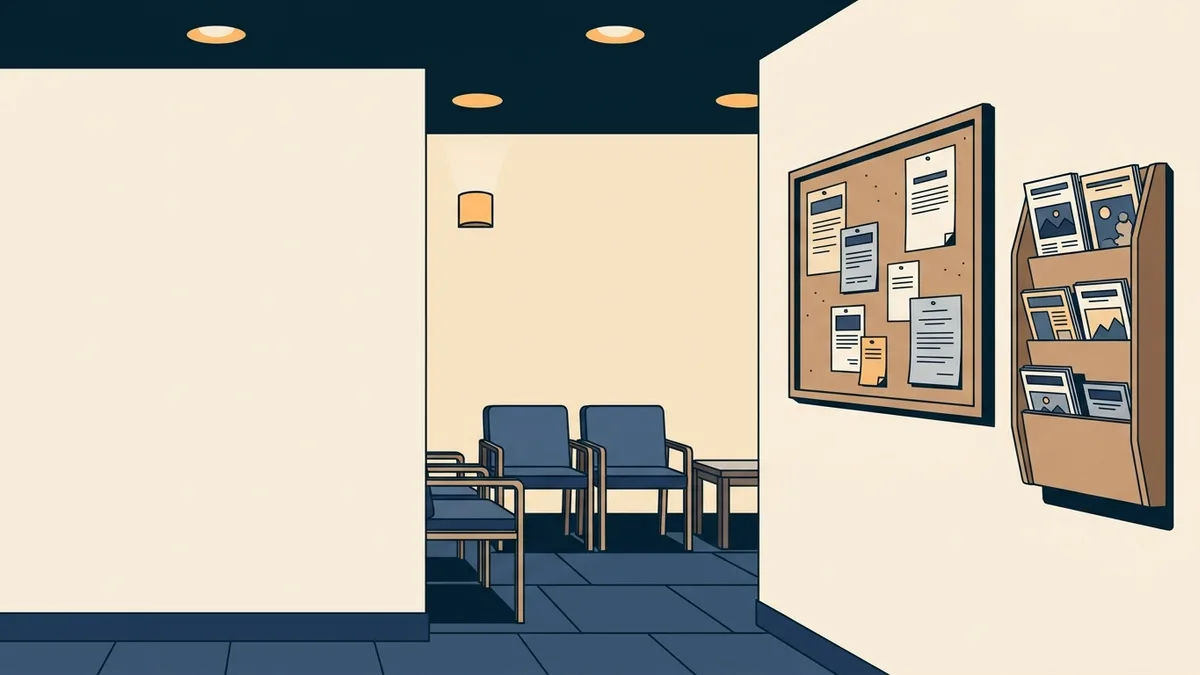
Standard 9 says the facility must post the standards publicly. Put them where a patient entering or waiting would see them, near the posted hours that standard 14 also requires. A laminated copy in the waiting room works; a copy kept in a drawer does not. Check the CMS source for the current text before printing, and replace the copy when it changes.
Who is responsible?
Assign both to one named person at the center and put them on the monthly checklist. The log is easy to start and easy to abandon when staff turn over. Walk the waiting room once a quarter with the 17 standards in hand. See the full list and what an inspector asks for.
What does a good log entry look like?
Short, dated and specific. A hypothetical example: "March 4, patient's daughter phoned to say the patient was left waiting in a gown for a long time before an MRI. Manager spoke with her the same day, reviewed the schedule, found a late technologist arrival, and adjusted shift start times. Daughter told of the change. Closed March 6." It does not need to be long. It needs to show the complaint, the person who handled it, what was done and when it closed.
Keep patient identifiers out of the general log where you can, using a reference number that points to a protected record. A complaint log should not become a second chart.
How do the posted standards and the log work together?
The posting tells patients what the center is held to. The log shows what happened when someone said the center fell short. An inspector who sees both can see a center that expects complaints and handles them. A center with neither looks as though it did not read the standards. They cost an hour to set up and a few minutes a month to maintain, which makes them the best return on effort in the whole list.
Does the log connect to other rules?
Standard 7 limits the center to physician-referred patients and bars direct solicitation, which is a different subject. See orders and solicitation. Our Compliance Tracking reminders include these routine checks, and the center keeps and owns the log itself.
Common questions
- Does an IDTF have to keep a complaint log?
- Yes. Standard 8 requires a written record of clinical complaints.
- Where should the IDTF standards be posted?
- Publicly, where patients can see them, such as the waiting area, per standard 9.
- What if the center had no complaints?
- A log that records none is fine if true. Make sure staff know how to record complaints made by phone or in person.
Need Help with Licensing or Enrollment?
We prepare the application for your radiologist, owner or authorized official to sign, then track renewals, inspections and changes.